
Foot Blistering Management with Danny Hegarty
Foot Blister Prevention Geelong: Danny Hegarty’s Advice
Foot blister prevention Geelong runners, fighters, and lifters all need at some point. Danny Hegarty from our partner clinic walks through how blisters form and what to do about them.

How Foot Blister Prevention Geelong Athletes Can Apply
Manage friction, moisture, and shoe fit. Fix these three and blisters stop showing up. Tape high-friction spots, dry your feet often, and invest in shoes that actually fit.
Learn more from the Australian Podiatry Association. For fitness guidance, check personal training.
Talk to the Team
If blisters keep derailing your training, talk to a coach or try our intro offer to get set up with a proper plan.
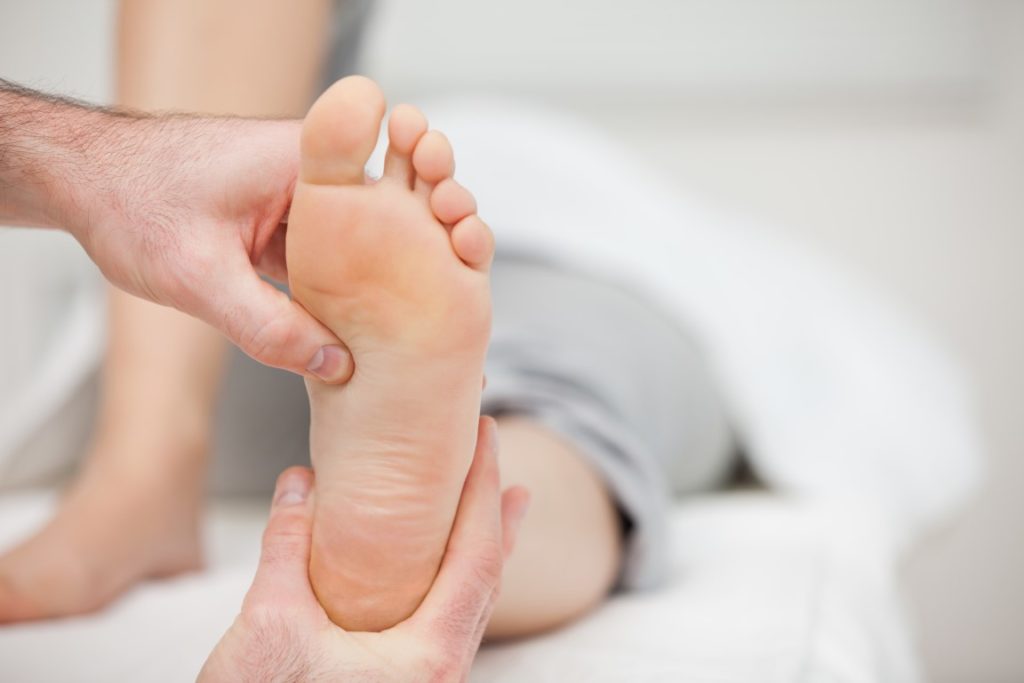
For such a seemingly small thing, a blister can be incredibly debilitating. In this blog, we will
look at appropriate strategies for preventing and managing foot blisters whilst still being able
to maintain MMA training.
Firstly, understanding what causes a blister is important as it sheds light on how to prevent
them in the first place. Excessive shearing of skin between the foot bones and the floor
surface is the root of the problem. Activities that increase this amount of force are going to
increase the chance of blisters forming.
Things that increase the risk of blistering;
1. Increasing training load (duration and frequency of sessions)
2. Training sessions with a focus on repetitive skills. E.g. training with a lot of
pivot/twisting movements will increase risk
3. New to the sport and the skin on the feet has not yet adjusted
Over a sustained block of training your skin will toughen up develop calluses to protect the
high wear and tear areas. It will be important to allow these calluses to remain intact and
avoid removing them after showering etc as they are protecting your skin.
If you notice a small red area start to appear it may be a hot spot, or precursor to a blister.
Things to manage hot spots;
1. Lubricant over the site (vaseline etc) and then covered with sports tape. There are
taping techniques which will work better and reduce the likelihood of the tape
scrunching up. If you need advice reach out to the Geelong Foot Clinic Facebook page and we’ll provide a
video.
2. Blister patches – There are a few different types of these on the market. They
essentially act like an extra layer of skin and can work well in certain cases.
3. MMA socks – These socks have been specially designed to cope with the demands
of MMA training. Talk with your trainer and check them out online.
If your blister has progressed to a level that it’s appearing like a small lump then
, unfortunately, it is going to take some time to heal fully. Early intervention is key so if you’ve
noticed a blister don’t try and push through, it will only make matters worse.
Things to manage established blisters;
1. Use a sterile needle to lance the blister and allow the fluid to drain out. Leave the roof
intact and try not to peel any away. Wipe down with an antiseptic and apply a
dressing. Over the dressing apply a lubricant and repeat the same steps as you for
managing a hot spot.
2. In some cases, more aggressive techniques are required such as using specific
offloading padding and socks over the top to keep the padding in place.
Hopefully, these tips help to keep your feet blister-free & your feet on the mat. For more
information or if you have any foot & ankle queries, feel free to drop the clinic a message
through Facebook or shoot me an email at danny@geelongfootclinic.com.au
Danny Hegarty
Podiatrist
Geelong Foot Clinic
Ph: 52224020
www.geelongfootclinic.com.au
Treating Foot Blisters During Training
If you get a blister mid-session, stop, dry the area, and cover it with a proper blister patch. Silicone-based patches beat basic band-aids for active use.
Never pop a blister unless it is large and painful. If you do, clean carefully, drain with a sterile needle, and keep it covered until the skin beneath hardens up.
Foot Blister Prevention Geelong Athletes Swear By
Invest in shoes that fit. Change socks if they get wet. Use blister tape on known trouble spots. Condition feet slowly rather than ramping mileage in one week.
Danny’s advice aligns with what our coaches see. Most blister issues at the gym come from new shoes, worn-out socks, or sudden volume spikes.
Frequently Asked Questions
Should I train through a blister?
Small ones, yes, if covered. Big painful ones need to heal first.
What causes foot blisters?
Friction plus moisture plus time. Remove any of the three and blisters reduce fast.
Can I see a podiatrist for ongoing issues?
Yes. Ask reception for recommended local practitioners including Danny Hegarty.